Miniatures and figurines for tabletop games: how they are made in China
Miniatures and figurines are at the heart of many tabletop games, from a single hero figure in a premium box to hundreds of pieces in a skirmish game. Getting them right depends on choosing the right material for your quantity and preparing files that a factory can produce cleanly. This guide covers how miniatures are made in China and the decisions that affect detail, durability and cost.
Resin or injection molded plastic
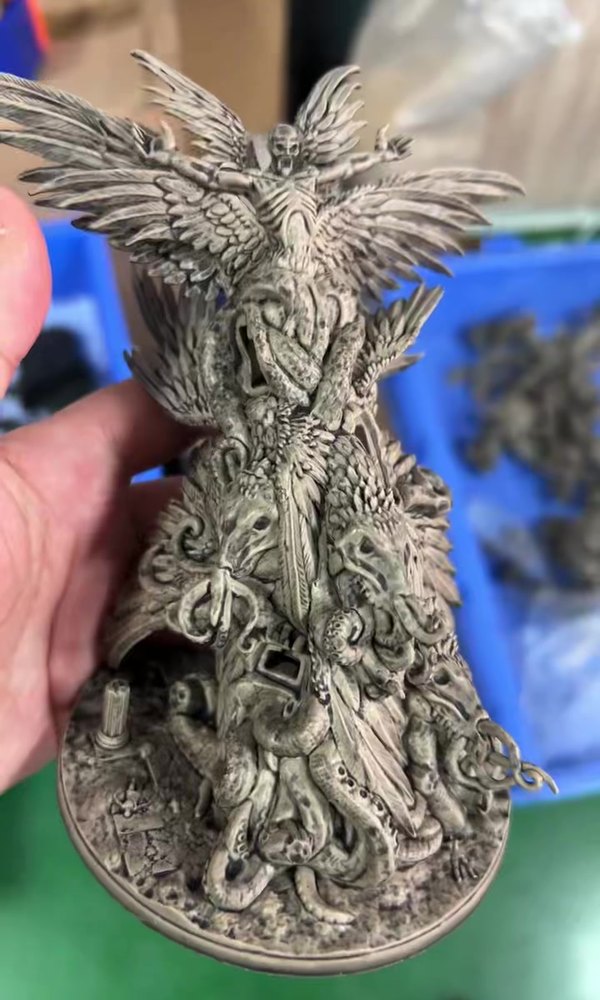
Resin miniatures are cast in silicone molds. They capture the finest detail, molds are quick and cheap to make, and they suit runs from a handful to a few hundred pieces. The trade offs are that resin is more brittle, molds wear out, and models usually need assembly and cleanup.
Injection molded plastics such as PVC and HIPS need metal molds. Tooling costs much more up front, but the unit price drops sharply as quantity rises, and the pieces are tougher and often supplied preassembled. Several miniatures are usually cut into one mold to share the tooling cost. For a game with thousands of copies, plastic is usually the better choice. For a limited premium run, resin often is.
Preparing your sculpt files
Factories work from digital sculpts, usually STL files. Tell the factory the scale you want, such as 28 or 32 millimeter heroic scale, and whether each figure comes on an integrated base or a separate one. The factory checks each file for areas that are too thin, deep undercuts that trap the mold, and parts that need splitting for casting. Fixing these at file stage is far cheaper than after a mold is cut.
Prototypes and preproduction samples
The factory 3D prints a high resolution prototype for you to approve. For injection molded pieces, a master model is then used to make the metal mold, and the first shots from the mold are sent as preproduction samples. Check these closely for soft detail, mold lines and warping before mass production starts. We inspect samples in person and send close up photos and video.
Finishes
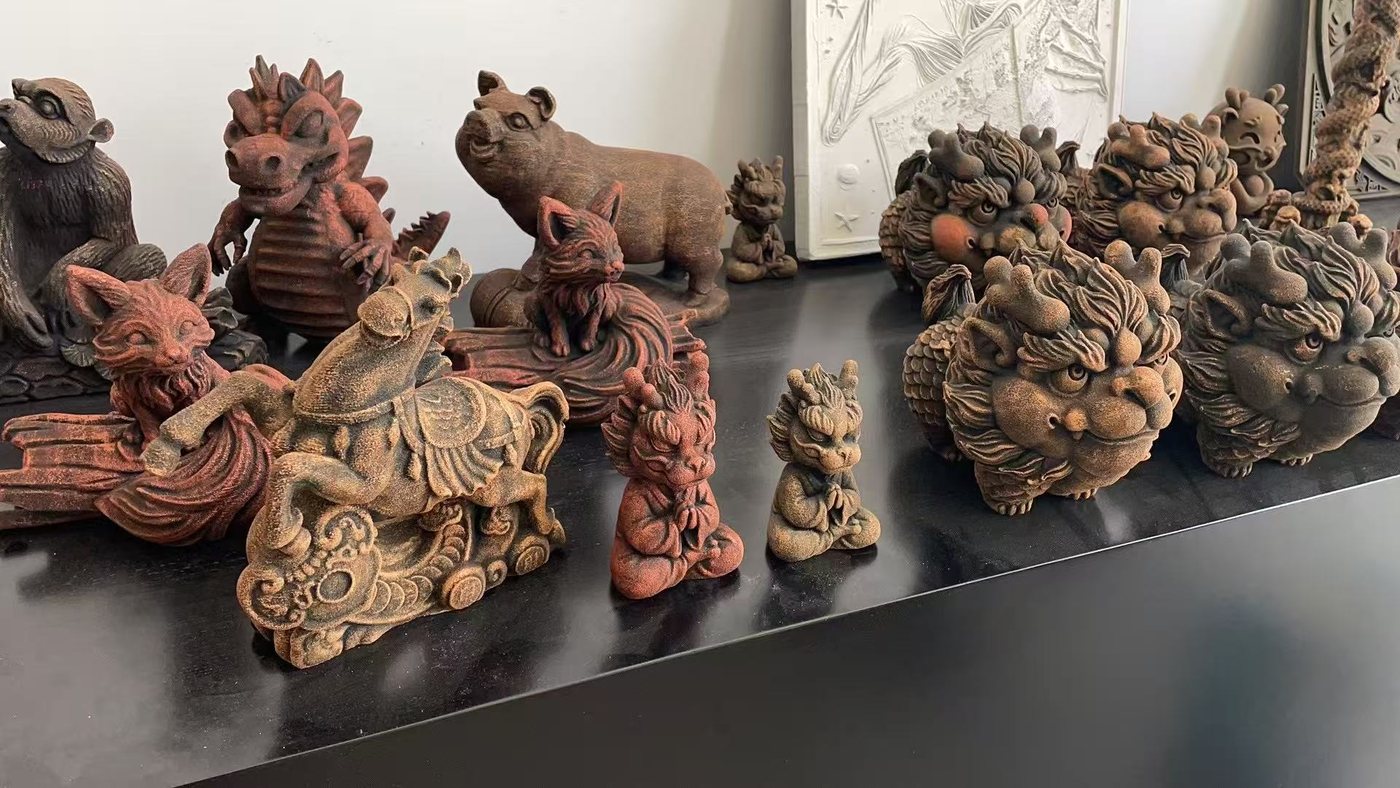
Miniatures can be supplied unpainted, primed, with a wash that brings out detail, fully painted, or with special finishes. Textured finishes, such as stone or metal effects, can make figurines look premium without full painting. Each step adds handling time to every piece, so decide early which figures need which finish.
Packaging
Game miniatures usually ship in plastic trays or bags inside the game box. Collectible figurines need inserts that hold each piece still. For crowdfunded games, decide early whether miniatures are packed into the game box at the factory or shipped separately to a fulfillment partner, because it changes the packing line and the carton plan.
Typical timeline
Resin runs can move from approved files to finished pieces in about four to eight weeks. Injection molded runs take longer because the metal mold must be made and tested first, so plan on two to four months. Painted figures add time on top. Factories close for two to four weeks around Chinese New Year.
What drives cost
For resin, cost follows size, the number of parts, assembly and finish. For injection molding, the metal mold is the largest single cost, so the number of distinct sculpts matters more than the number of copies. Painting is usually the biggest addition to the unit price. We break quotes down so you can compare resin and plastic for your quantity before you decide.
Safety and labeling
Miniatures are small parts. Games and toys with small parts sold for children must carry a choking hazard warning in many markets, and products for children need testing. A game graded for older players avoids some of these rules, but the age grading has to be honest. Tell us your markets and age grading so the factory labels the packaging correctly.
How Amora charges
Miniature and figurine projects fall under simple product development in our pricing. You pay a one time fee of USD 500 to 1,000, set by the complexity of the design: 50% to start and the balance when you approve the sample. If you are not happy with our work, you can stop there and owe nothing more. Production orders carry a commission of 3% to 8% of order value, and your first test run is commission free. We take no commission from the factory, so our only income on your project is the fee and the commission you agreed to. All of these terms can be negotiated. The full details are in our pricing article.
Common questions
What files do you need for miniatures?
STL files from your sculptor are the usual starting point, along with the scale you want, such as 28 or 32 millimeter heroic scale. The factory checks them and may suggest splitting parts or thickening thin areas.
Resin or plastic for my miniatures?
Resin gives the finest detail and suits small runs, but it is more brittle and usually needs assembly. Injection molded plastic needs metal molds, which cost more up front, but it is tougher and cheaper per piece at larger quantities.
Can miniatures be supplied painted?
Yes. Miniatures can be supplied unpainted, primed, washed, fully painted or with textured finishes. Each step adds handling time, so painted pieces cost more per unit.
Do miniatures need safety warnings?
Miniatures are small parts. In many markets games with small parts must carry a warning that they are not for young children. Tell us your markets and age grading so the packaging is labelled correctly.
More tabletop guides
- Custom plush manufacturing in China: a guide for creators
- Collector statue manufacturing in China: resin, polystone and PVC
- Custom shirts and apparel for creator brands: a manufacturing guide
- Tabletop and creator merchandise: what we make and our terms
Planning miniatures and figurines for your game or brand?
Send us your artwork and target quantity through our quote form, or email [email protected]. We reply within one working day from Shenzhen, and there is no minimum order.